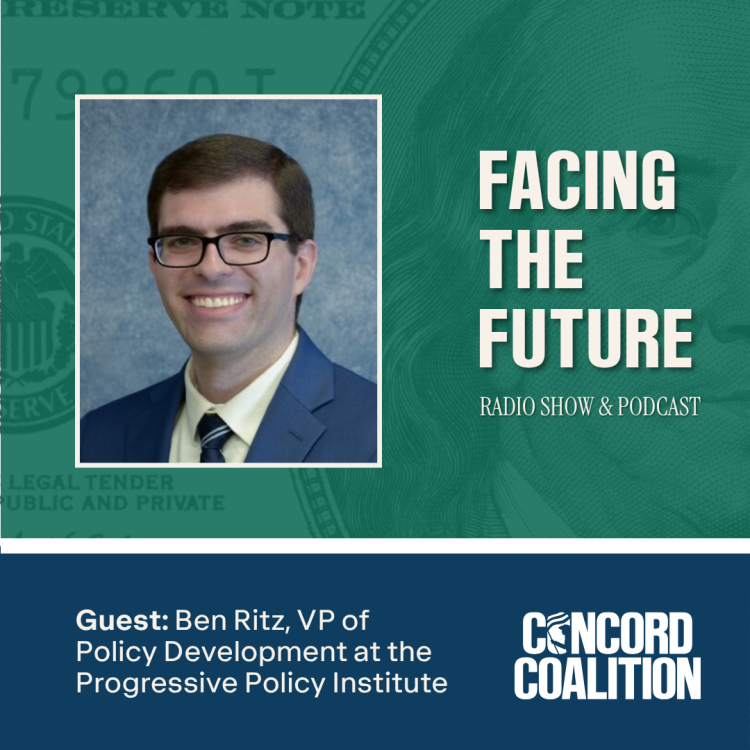
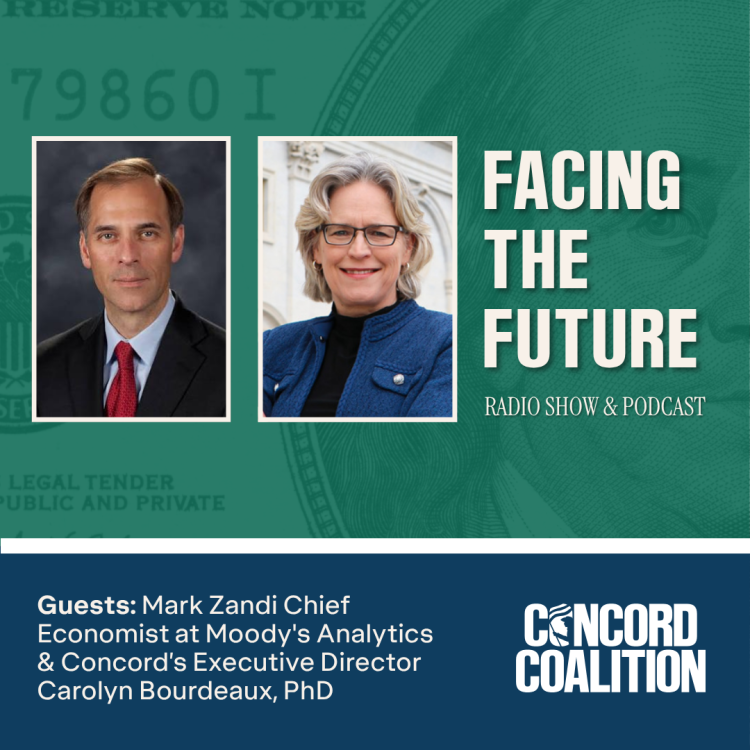
This week on Facing the Future, we heard from two guests about two federal budget issues that have been prominent in the news. First up was Matt McGough, policy analyst on Affordable Care Act (ACA) issues at KFF. He described the impact of expiring enhanced premium subsidies for plans purchased on the ACA marketplaces. Then we turned to Theresa Cardinal Brown, Senior Advisor for Immigration and Border Policy at the Bipartisan Policy Center, for a discussion of President Trump’s proposal to impose $100,000 payments for new H-1B visas.
One of the key issues that led to a government shutdown on October 1st was what to do about the enhanced premium subsidies (tax credits) for ACA marketplace plans that were enacted during the COVID pandemic and are scheduled to expire at the end of the year. Democrats have been arguing that an extension should be included in any spending agreement on Fiscal Year 2026 funding while Republicans have said that any negotiation on ACA subsidies should take place after appropriations bills have passed.
McGough said if the enhanced subsidies expire, “it’s important to be clear that there is some form of premium tax credit that will still be around to subsidize health insurance coverage for people who get health insurance through the marketplaces. But it will increase costs drastically for families who remain on the marketplaces. We [KFF] have a new estimate that this would increase the cost by 114 percent in monthly premium bills. That’s certainly a significant amount, and could potentially drive a lot of people off the marketplaces and increase the uninsured rate.”
McGough explained that the expiration of these enhanced premium tax credits would increase the remaining premiums for everyone who remains in ACA plans if a lot of healthier people decide that it’s no longer worthwhile to be insured through the marketplaces. “As these people, who are relatively younger, decide to leave the marketplaces, this increases the average cost for insurers of the enrollees that they have to cover. It creates a relatively sicker risk pool, and this drives up premiums for everyone who decides to stay insured in the ACA,” McGough said.
The Congressional Budget Office estimates that it would cost $350 billion over the next 10 years to extend the enhanced subsidies. McGough said, “per year that’s about 4 percent of U.S. defense spending. If we were to divide the cost by the number of people who would be uninsured, or become uninsured, if these enhanced subsidies are not extended, which is about 3.8 million people over the next 10 years, we’d come out to the cost being about $9,000 per person, next year if there was to be an extension of these subsidies.”
McGough cautioned, however, that “this has to be weighed against the potential for an increase in uncompensated care, if these individuals were to be uninsured and to seek out healthcare, but might not have the financial ability to pay for their healthcare, which would have an impact on everyone’s premiums across markets, as well as state and local governments’ budgets.”
Another government program that has been the subject of reform efforts is the H-1B visa process used to hire high-skilled workers from other countries. President Trump recently issued a proclamation stating that over the next 12 months applications for such visas must be “accompanied or supplemented by a payment of $100,000” unless “the Secretary of Homeland Security determines, in the Secretary’s discretion, that the hiring of such aliens to be employed as H-1B specialty occupation workers is in the national interest and does not pose a threat to the security or welfare of the United States.”
Theresa Cardinal Brown described some initial confusion about the proclamation and whether the president has the authority to require such a payment without approval from Congress. She then discussed the aim of the new requirement.
“The intention of this,” she said, “is basically we’re saying we want it to cost employers more to hire an H-1B worker than to hire a U.S. worker, and this $100,000 fee should guarantee that’s the case. And that may be true. This fee will have winners and losers, clearly. Will it result in more Americans being hired? That’s a very open question, because there are other things that companies, particularly larger companies with overseas affiliates, could do to avoid this fee.”
She pointed out, for example, that “there’s a different visa called an L1 visa that allows someone who’s employed overseas for an affiliate of your company to be transferred into the United States to work for you, and that doesn’t have a cap and, so far, doesn’t have the fee. If you have that overseas affiliate, maybe instead of doing the work here, where you have to sponsor an H-1B, you do that work someplace else, and you hire that person there. That kind of offshoring is something that the president is trying to avoid, but that is a reasonable business response to this kind of a fee that you could foresee happening.”
Whether the $100,000 payment requirement for H-1B visas will result in increased hiring of American workers is a “difficult thing to see until we see the jobs numbers for some of these same occupations or some of these same industries, maybe a couple months later. That’s to-be-determined,” Brown said.
Hear more on Facing the Future. Concord Coalition Senior Advisor Bob Bixby hosts the program each week on WKXL in Concord N.H., and it is also available via podcast. Join us as The Concord Coalition team discusses issues relating to national fiscal policy with budget experts, industry leaders, and elected officials. Past broadcasts are available here. You can subscribe to the podcast on Spotify, Pandora, iTunes, Google Podcasts, Stitcher, or with an RSS feed. Follow Facing the Future on Facebook, and watch videos from past episodes on The Concord Coalition YouTube channel.